
A seat in a mine site ute does not fail instantly. The deterioration happens gradually over months, until suddenly the trim gives way.
Red dust does not sit on the surface of factory trim. It works into the weave, where every wash pushes it deeper into the fabric. A light vehicle on site gets climbed into forty or fifty times a shift – always at the same point on the bolster, usually by someone wearing steel caps and a tool belt. Add sweat through a long Pilbara shift, wet season moisture, or coastal salt air, and standard seating degrades rapidly.
By the time anyone notices the seat, the bolster has worn through, the foam underneath is exposed, and the fix requires a trim shop and a vehicle off the road.
What procurement actually buys when it buys a seat cover
Ask a fleet manager why they cover seats, and the first answer is usually resale value or presentation for site inspections. Both matter. But the reason a cover ends up in a formal specification rather than a standard shopping list is safety.
Most modern light vehicles feature seat-mounted side airbags. Those airbags deploy through the outside edge of the seat, exactly where a seat cover sits. A cover built without proper side-airbag integration is a critical control quietly removed from the vehicle without sign-off.
That risk turns a basic accessory into a key WHS operational requirement. It is also why heavy-duty mining seat covers fitted to mine fleets are rarely off-the-shelf items.
The seam is the product
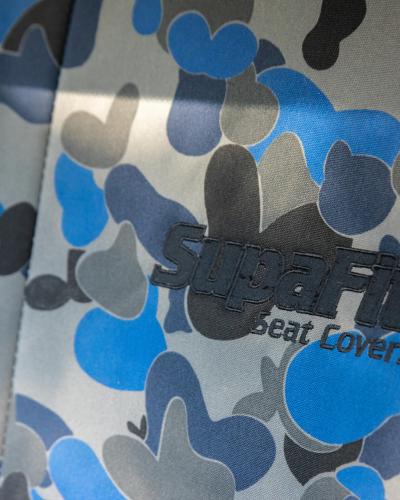
SupaFit® Seat Covers builds every airbag-compatible cover around SupaSeam™, a documented seam designed to release so a side airbag deploys without obstruction or delay.
The manufacturing process dictates reliability. Seams are sewn on German Adler sewing stations that strictly control stitch length, tension and speed inside a fixed tolerance. An error-lockout function stops any seam that strays outside parameters. Every seam carries a unique barcode, allowing individual covers to be traced directly through production. Imperfect seams are destroyed immediately.
Independent testing against ADR72/00 – the vehicle standard applied to original equipment manufacturers – was conducted by NATA-accredited laboratories, including APVTech and ASE Engineering. Thermal testing spans from +85°C to -35°C, covering a Kalgoorlie car park in February to a Goldfields morning in July.
None of that is visible from the driver seat. That is the point. Procurement teams get documented compliance in writing and move on.
Made for the vehicle, not for the category
The other reason fleets specify rather than shop is fitment.
Universal covers are cut for an average seat. On a work vehicle, they slide, bunch under the driver, and wear through at the primary abrasion point. They also lack precise alignment with vehicle airbag deployment zones.
SupaFit® Seat Covers are cut to match specific make, model, build year and seat configurations before being hand-sewn in the Welshpool workshop in Western Australia. Manufacturing takes longer than pulling stock off a shelf. However, exact pattern cutting guarantees that the seam aligns with the airbag on that specific seat and that the cover remains flat after years of daily site use.
Across a mixed fleet, precise fitment becomes critical. Utes, light trucks, buses, loaders and material handlers feature distinct seating structures, and seat variants frequently change mid-model run. Standardising on a single universal product leaves a fleet with dozens of improper fits.
Zero compromise is a specification, not a slogan
Plenty of suppliers claim airbag compatibility. Far fewer provide the certifying laboratory credentials or verified thermal test parameters when asked.
That distinction separates a simple claim from a verified safety control. Where every other site asset requires compliance documentation, seat covers must meet the same standard.
When specifying covers across a fleet, key questions must be answered: what is the fabric weight, what standard is the seam tested to, who verified it, and is written compliance documentation available?
Send your vehicle list with build years and seat configurations to the team at SupaFit® Seat Covers to confirm exact fitment across your fleet.